
Systematic Tasting Framework
The Sensory Protocol provides a structured approach to evaluating wine and cheese pairings. The methodology is designed to ensure consistent conditions and systematic observation, allowing for accurate comparison between different combinations.
Each step in the protocol serves a specific purpose in preparing the palate and the products for evaluation. Following the sequence ensures that external factors don't interfere with accurate assessment of the pairing relationship.
The protocol functions as an educational tool, teaching participants how to conduct systematic tastings that yield meaningful observations and comparisons.
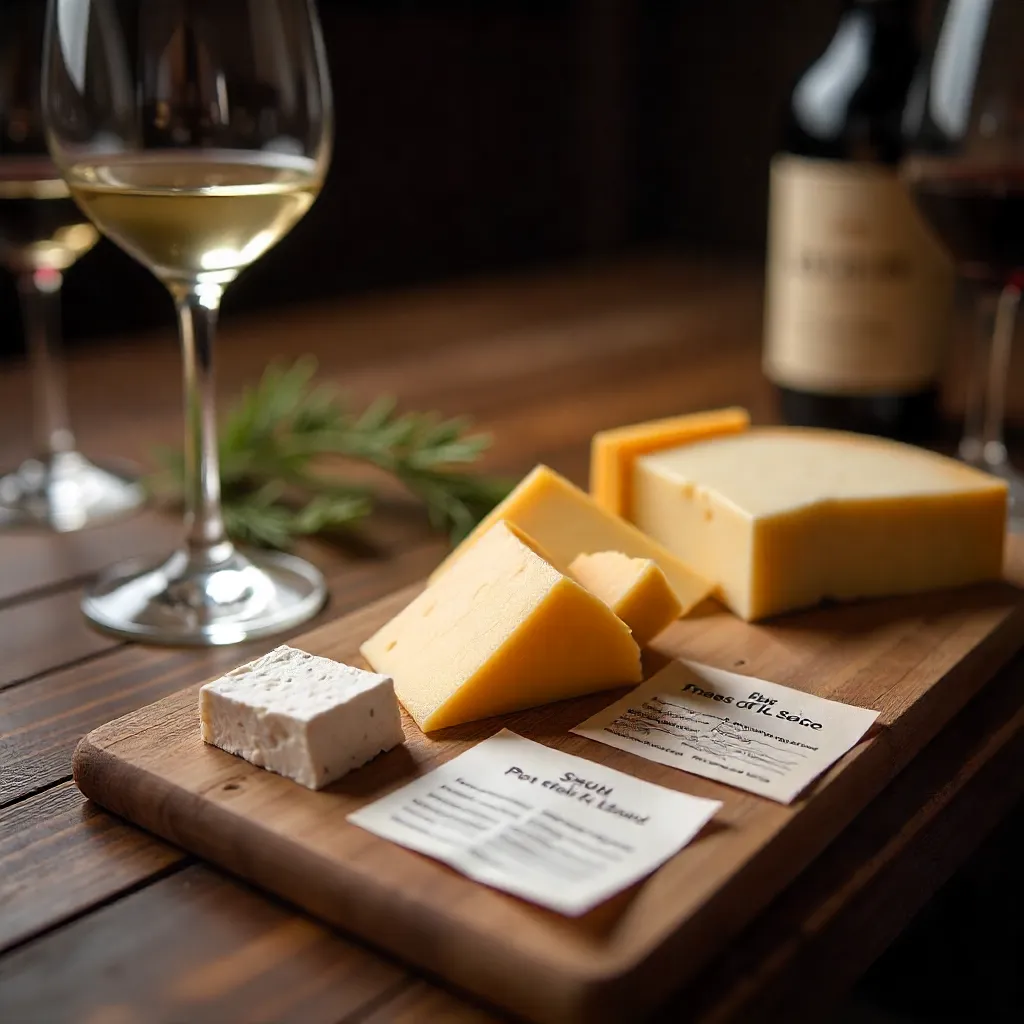
Protocol Sequence
Temperature Calibration
Wine temperature significantly affects flavor perception. White wines are typically evaluated at cooler temperatures, while red wines benefit from slightly warmer conditions. Cheese temperature also influences texture and flavor release.
Aeration Time
Allowing wine to breathe before tasting can reveal different aromatic profiles. The protocol specifies appropriate aeration periods based on wine type and age, ensuring consistent evaluation conditions.
Palate Cleansing Cycles
Between tastings, palate cleansing ensures that residual flavors don't interfere with subsequent evaluations. Neutral elements like water or plain crackers help reset the palate for accurate comparison.
Observation Sequence
The protocol specifies the order of evaluation: visual observation first, then aroma assessment, followed by taste analysis. This systematic approach ensures comprehensive evaluation of each element.
Step-by-Step Procedure
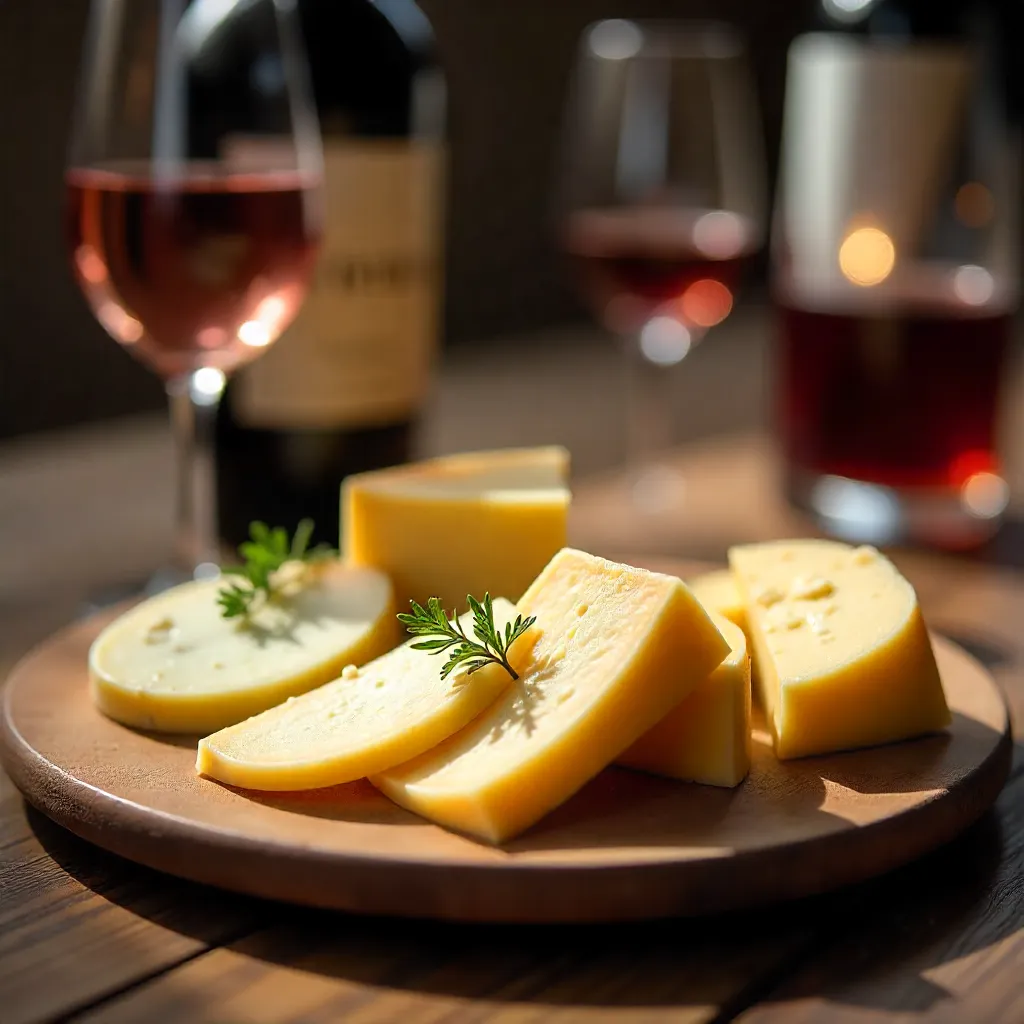
Preparation Phase
Begin by ensuring all wines are at appropriate serving temperatures. Remove cheeses from refrigeration in advance to allow them to reach room temperature, which enhances flavor expression.
Arrange tasting materials in a logical sequence, with palate cleansing elements readily available. Prepare note-taking materials to document observations throughout the session.
Evaluation Phase
Follow the observation sequence for each wine and cheese individually before evaluating them together. Note initial impressions, then assess how the combination changes or enhances individual characteristics.
Practical Implementation
The protocol provides structure without being restrictive. It serves as a framework that can be adapted to different group sizes and session formats while maintaining systematic evaluation principles.
Individual Practice
Use the protocol for personal exploration, following the steps to develop systematic tasting skills and build a foundation of pairing knowledge.
Group Sessions
In group settings, the protocol ensures everyone follows the same evaluation sequence, facilitating discussion and comparison of observations.
Educational Tool
The structured approach teaches methodology that can be applied to future tastings, supporting continued learning and exploration.